

If you’ve ever felt sluggish at the gym, noticed stubborn belly fat creeping in, or just felt “off,” you’re not alone. Many people turn to a testosterone booster hoping it will bring back their energy, strength, and confidence. But do these supplements really deliver on their bold claims?
We know firsthand from our own health journey — at StayFit Recipes, we’ve learned the hard way that real results come from real choices, not shortcuts. In this article, you’ll learn the truth about testosterone boosters, how to tell if you’re low, natural ways to improve your levels, and what to know before choosing any supplement. From drinks that might help to lifestyle changes that actually work, we’ll cover it all with practical tips you can start today. Let’s cut through the hype and focus on what really helps you feel your best.
Testosterone Booster Basics — Do They Really Work?
The Science Behind Testosterone Boosters
A testosterone booster is typically a dietary supplement designed to raise your body’s natural production of testosterone. Most products contain a mix of vitamins, minerals, and herbs — with common ingredients like zinc, magnesium, vitamin D, fenugreek, and D-aspartic acid. These nutrients play roles in hormone production, and deficiencies can contribute to low testosterone. Some boosters also include exotic herbs such as ashwagandha or tongkat ali, marketed as natural testosterone enhancers. But it’s important to understand that these supplements aren’t the same as prescription hormone therapy. They don’t actually contain testosterone — they aim to support your body’s own ability to make it. When used properly, some can help slightly if your low testosterone is due to minor nutritional gaps or stress.
Evidence and Efficacy: What Studies Show
So, do testosterone boosters really work? The evidence is mixed. Research suggests that some ingredients, like zinc or vitamin D, can modestly raise testosterone levels in people who are deficient. Herbs such as fenugreek and ashwagandha have shown small improvements in studies. However, the overall effects are usually mild and temporary, especially compared to lifestyle changes like weight loss or exercise.
Many supplements on the market make exaggerated claims without solid proof. Worse, some products may even contain hidden steroids or contaminants, which can be dangerous. If you’re considering a booster, it’s crucial to choose wisely, just like you would when picking clean eating recipes on our Healthy Lunches page. And just like staying consistent with your meal prep makes all the difference, consistency with healthy habits far outweighs what any pill can offer.
How Can I Raise My Testosterone Level Naturally?
Diet and Lifestyle Changes That Support Testosterone
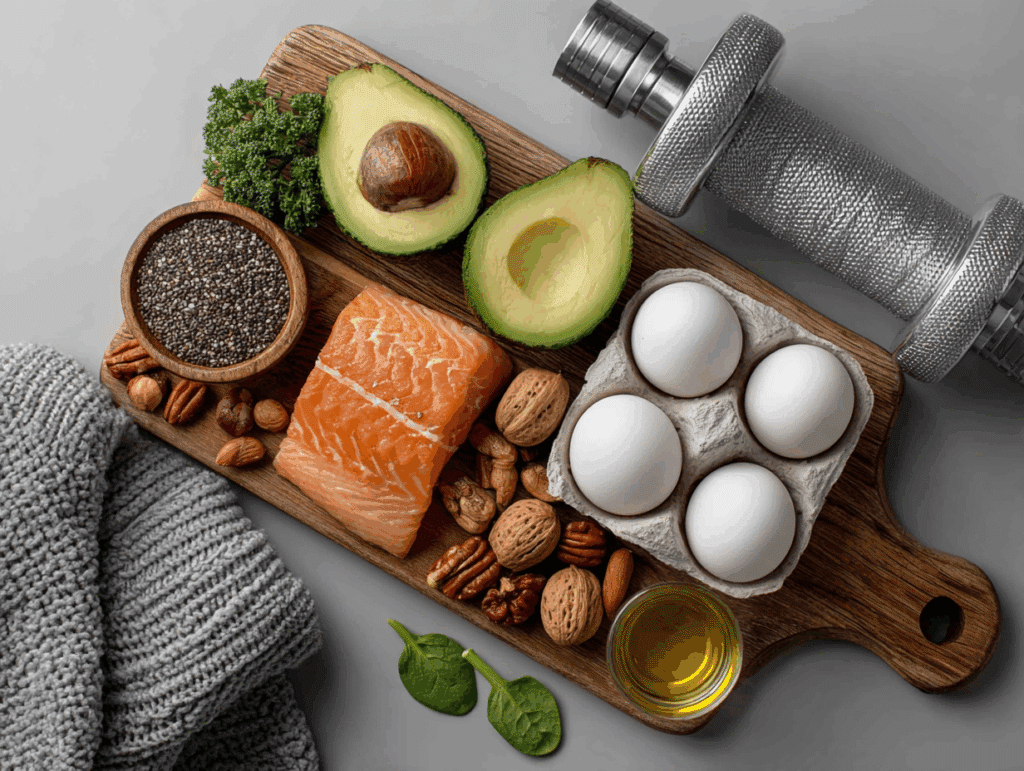
If you want to raise your testosterone level without relying solely on a testosterone booster, start with proven lifestyle changes. Strength training is one of the best natural testosterone boosters. Exercises like squats, deadlifts, and push-ups activate large muscle groups and stimulate testosterone production. Pair your workouts with adequate sleep — at least seven to eight hours each night — because sleep deprivation lowers testosterone.
Managing stress also helps; high cortisol interferes with testosterone levels. Practice meditation, take nature walks, or even cook a healthy meal to unwind. A balanced diet supports testosterone, too. Focus on whole foods rich in healthy fats, lean protein, and vegetables. Avocados, salmon, eggs, and spinach contain nutrients that help your body produce testosterone naturally. By eating clean and moving regularly, you’re using the best kind of natural testosterone booster your body already knows how to use.
The Role of Body Weight and Alcohol
Excess weight, especially around your waist, can lower your testosterone levels. That’s because fat cells convert testosterone into estrogen, reducing your free testosterone. Losing even a small amount of body fat can help restore healthy levels and improve how you feel. Instead of depending on a testosterone booster, combine smart eating and regular workouts for lasting results.
Alcohol is another big factor. Heavy drinking suppresses testosterone and may undo all your hard work. If you’re serious about boosting testosterone, cut back on alcohol or skip it entirely for a while. Every small habit counts toward higher testosterone. Together, these changes create a natural testosterone booster effect without the risks of questionable supplements.
How to Tell If You’re Low on Testosterone
Common Symptoms of Low Testosterone

Knowing whether you need a testosterone booster starts with recognizing the signs of low testosterone. Many people first notice fatigue that doesn’t go away, even with rest. Others experience a noticeable drop in libido or sexual performance. Low testosterone can also make it harder to build or maintain muscle, while increasing body fat — especially around the midsection.
You might feel depressed, moody, or find it harder to focus. In some cases, low testosterone leads to weaker bones and joint pain. If these symptoms sound familiar, you may already be wondering if a testosterone booster could help. But before reaching for supplements, it’s important to confirm whether your levels are truly low.
In our own journey at StayFit Recipes, we found that tracking our symptoms alongside regular workouts and meal prepping helped us notice patterns. If you’ve been sticking with your fitness plan and still feel off, it may be time to test.
When to See a Doctor for Testing
The best way to know if you really need a testosterone booster is through a simple blood test. Your doctor can measure your testosterone levels and help you understand what’s normal for your age and health. Morning is the best time for testing, as levels are highest then. If your results show low or borderline levels, your doctor can discuss whether lifestyle changes, a natural testosterone booster, or medical therapy is right for you. Self-diagnosing and taking a testosterone booster without testing can mask deeper health issues or even cause harm. For peace of mind and better results, get tested first and work with a professional to choose the safest approach to boosting testosterone.
Best Drinks and Foods to Boost Testosterone
Drinks That May Help
If you’re looking for a natural testosterone booster, certain drinks can help support healthy hormone levels. One of the best options is pomegranate juice. Research suggests it can improve blood flow and slightly increase testosterone while reducing stress hormones. Green tea is another good choice; it’s rich in antioxidants that may support healthy testosterone production when consumed in moderation. Milk, especially whole milk with vitamin D, provides calcium and healthy fats your body uses to make hormones. Drinking enough water is also essential, as dehydration can interfere with metabolism and lower your energy levels.
While these drinks aren’t magic, they’re healthier choices compared to sugary sodas or alcohol. Adding them to your routine alongside balanced meals and a workout plan is a smarter way to boost testosterone naturally. For more healthy drink ideas, check out our smoothie recipes for options that pair well with a testosterone-friendly diet.
Foods That Naturally Support Testosterone
A testosterone booster doesn’t always need to come in a bottle — it can come from your plate. Eating whole eggs is a great way to get cholesterol, which your body needs to produce testosterone. Fatty fish like salmon and tuna deliver omega-3 fatty acids and vitamin D, two nutrients linked to hormone health.
Avocados and olive oil provide monounsaturated fats that support testosterone production, while leafy greens like spinach supply magnesium, a mineral known to help maintain healthy levels. Nuts, seeds, and lean red meat also offer key nutrients like zinc and protein. Incorporating these foods into your daily meals not only helps you feel fuller and more satisfied but also works as a natural testosterone booster. Combine these foods with regular strength training and sleep, and you’ll be on the right track — no risky supplements required.
Risks and Side Effects of Testosterone Boosters
Potential Health Risks of Supplements
While a testosterone booster sounds appealing, many over-the-counter supplements carry hidden risks. Some products are contaminated with unlisted ingredients, including steroids, which can lead to dangerous side effects like liver damage, high blood pressure, and hormonal imbalances. Even natural ingredients in high doses can cause problems — too much zinc, for example, can harm your immune system. Taking a testosterone booster without knowing your actual hormone levels can mask serious health conditions or worsen symptoms. It’s always better to check with a doctor before using any testosterone booster, no matter how “natural” it claims to be. Reading labels carefully and buying from reputable brands is crucial. Just as you choose clean, healthy ingredients in our meal prep recipes or follow our snack tips to fuel your body right, the same care should go into selecting supplements.
Safer Alternatives and Professional Advice
If you suspect low testosterone, working with a healthcare provider is the safest way to improve your levels. They can determine whether lifestyle changes, a natural testosterone booster, or medically supervised hormone therapy is best for you. Many people see impressive improvements just by improving sleep, reducing stress, and exercising regularly — without ever taking a supplement. I
f you do choose to use a testosterone booster, your doctor can recommend a product with clinically tested ingredients and proper dosages. Avoid chasing quick fixes, and instead focus on building sustainable habits that improve your overall health. Real results come from consistent effort and smart choices.
How to Choose the Right Testosterone Booster if You Decide to Use One
Ingredients to Look For
If you decide a testosterone booster is worth trying, choose wisely. Look for products with ingredients backed by science, such as zinc, magnesium, vitamin D, fenugreek, or ashwagandha. These nutrients are known to support natural hormone production in people with deficiencies or high stress levels. Be cautious of boosters that claim overnight results or contain “proprietary blends” without specifying exact amounts. Transparency is key — just as you’d carefully pick the right ingredients from our healthy dinner recipes or plan balanced meals with our lunch ideas, you should know exactly what you’re putting into your body. Avoid supplements with synthetic hormones or untested herbal mixes, which can do more harm than good.
Quality, Dosage, and Brand Reputation
Not all testosterone boosters are created equal. Only buy from brands that use third-party testing to ensure purity and potency. Check for certifications like GMP (Good Manufacturing Practice) and look up reviews from verified customers. Correct dosage is also important — more is not always better. Some ingredients are only effective within specific ranges, and overdosing can cause side effects. When in doubt, consult your doctor or a qualified nutritionist who can help you select a safe product that aligns with your goals. A smart approach to choosing a testosterone booster can help you avoid health risks and focus on what really works — sustainable habits and informed decisions.
FAQ: Testosterone Boosters
Do the testosterone boosters really work?
A testosterone booster can help raise levels slightly if your body is deficient in certain nutrients like vitamin D or zinc. However, most boosters have only modest effects. Lifestyle changes, like strength training and healthy eating, are usually more effective.
How can I raise my testosterone level?
You can raise your testosterone naturally through regular exercise, especially resistance training, getting 7–8 hours of sleep, managing stress, and eating a diet rich in healthy fats, lean protein, and vegetables. A testosterone booster may complement these habits if needed.
How to tell if you’re low on testosterone?
Symptoms of low testosterone include fatigue, low sex drive, depression, increased body fat, and difficulty building muscle. If you suspect low levels, see your doctor for a blood test before trying a testosterone booster.
What drink boosts testosterone?
Drinks like pomegranate juice, green tea, and milk with vitamin D can help support testosterone naturally. Hydrating well and avoiding excessive alcohol are also important for maintaining healthy hormone levels.
Conclusion
A testosterone booster might seem like a quick fix, but real, lasting results come from consistent healthy habits. Strength training, good sleep, stress management, and a clean diet remain the most effective ways to raise testosterone and improve overall well-being. If you suspect low testosterone, work with a healthcare provider to determine the safest, most effective plan for you — whether that includes a testosterone booster or not. At StayFit Recipes, we believe in real food, real workouts, and real results. Stick with choices you can sustain, and you’ll feel and perform at your best.
Let’s StayFit — together.For More follow us on facebook & pinterest